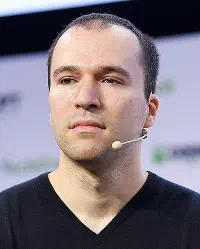
OpenAI co-founder and president, engineering leader
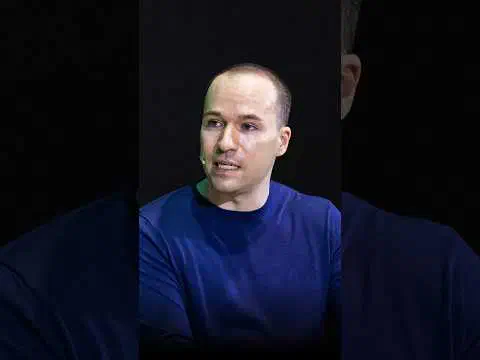
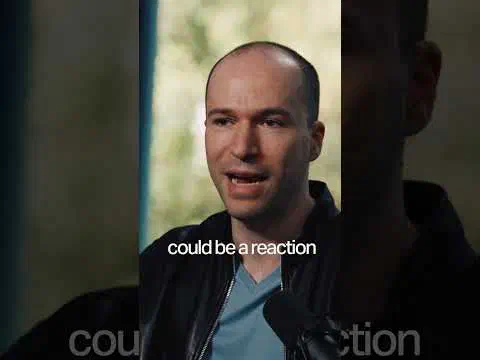
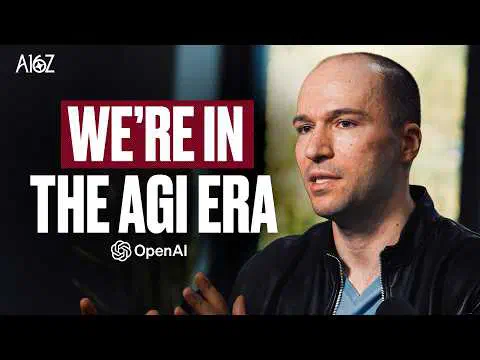
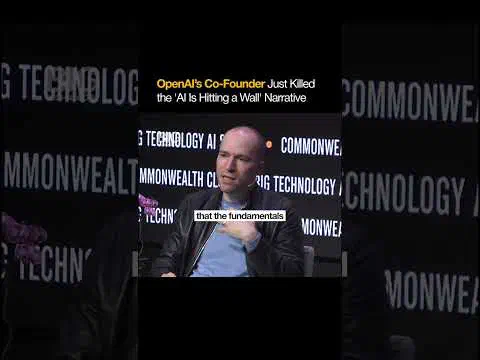
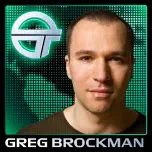
Greg Brockman
Biographies
Profile
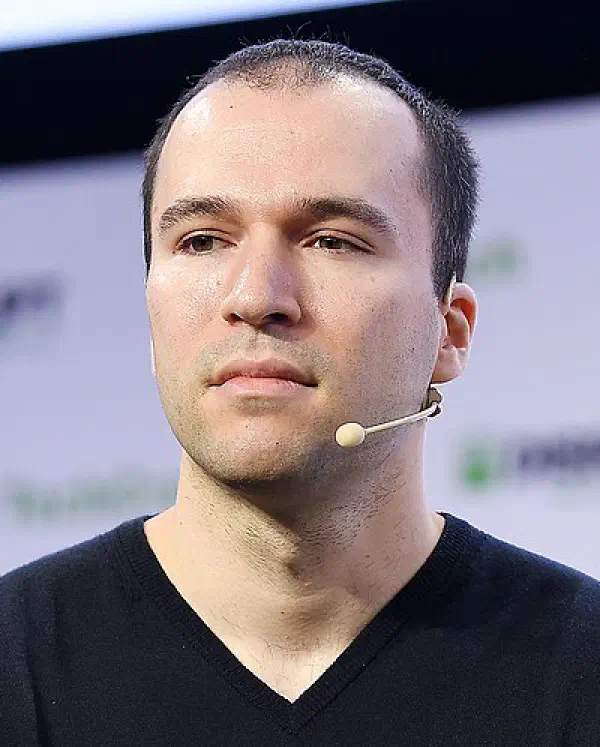
Greg Brockman is the closest thing modern AI has to a full-stack engineer at industrial scale. He dropped out of Harvard and then MIT, joined Stripe in 2010 as one of its first engineers, and became its CTO in 2013 — growing the engineering org from a handful of people to a few hundred while the payments infrastructure underneath it had to not break. He left in 2015 and, months later, co-founded OpenAI with Sam Altman, Ilya Sutskever, Elon Musk and others. He was OpenAI’s first CTO, is now its president and board chairman, and by mid-2026 has effectively become its second-in-command after Fidji Simo stepped back from the Applications CEO role for health reasons and her portfolio was split between Brockman, CFO Sarah Friar, and Jason Kwon.
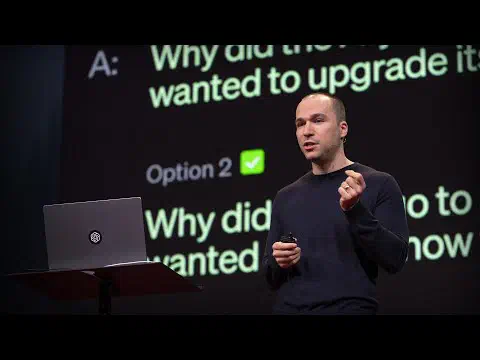
What makes Brockman worth studying for developers isn’t a research breakthrough with his name on it — it’s the systems layer. He led OpenAI Gym, the RL benchmarking toolkit that an entire generation of grad students learned reinforcement learning on. He was on OpenAI Five, the Dota 2 bot that ran distributed training for ten months straight and became the first AI to beat world champions at an esports title — a project that was, in retrospect, a dress rehearsal for the compute-scaling thesis behind GPT. He co-authored the Codex paper that became GitHub Copilot. And he fronted the GPT-4 Developer Livestream in March 2023, where he sketched a website on a napkin, photographed it, and had GPT-4 emit working HTML. That demo did more to convince working programmers that something had changed than any benchmark table.
There’s a genuinely useful piece of his story for anyone reading this as a career question. Brockman spent OpenAI’s first three years as an infrastructure person who wanted to do ML and didn’t. In 2019 he wrote a blog post about finally making the jump, and his conclusion was that the hard part wasn’t the math — it was tolerating being a beginner again after being the most senior engineer in the room. Coming from someone who was CTO of two significant companies before turning 30, that’s a more credible message than most “learn AI” content on the internet.
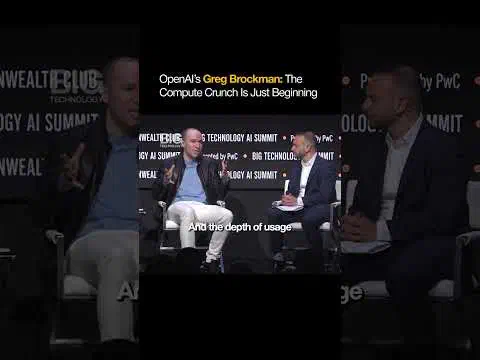
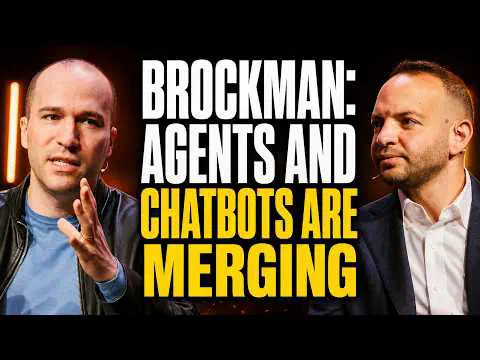
Today Brockman’s job is mostly compute and product consolidation ahead of a possible OpenAI IPO. He’s the public face of the argument that the shortage is structural — his line is that every time capacity ramps, new models and new usage patterns eat it, so “we will remain in this compute shortage no matter what.” Under oath in 2026 he put OpenAI’s compute spend at roughly $50 billion for the year, and disclosed a personal stake worth close to $30 billion for which he invested nothing. That combination — a hands-on engineer who still ships demos, now allocating capital at nation-state scale — is the tension that defines him. If you’re building on OpenAI’s APIs, his decisions about where the GPUs go and how chat and agents merge are the ones shaping what you can actually afford to run.
Key Articles & Papers
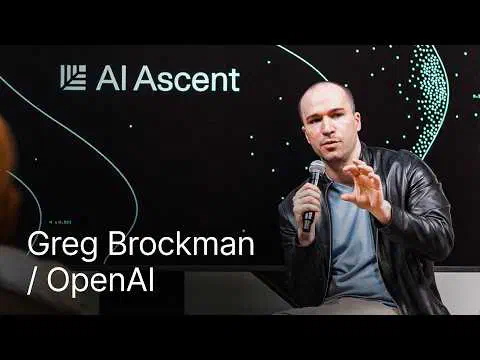
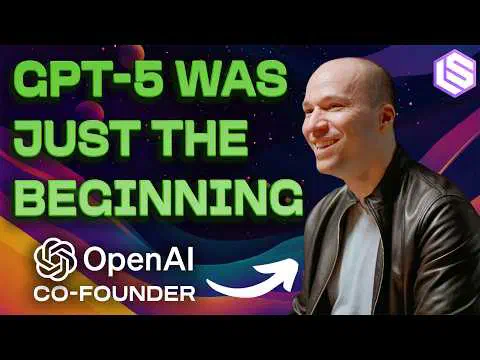
Introducing OpenAI OpenAI Gym OpenAI Five How I became a machine learning practitioner Dota 2 with Large Scale Deep Reinforcement Learning Evaluating Large Language Models Trained on Code GPT-4 Technical Report Governance of superintelligenceVideos
Controversies
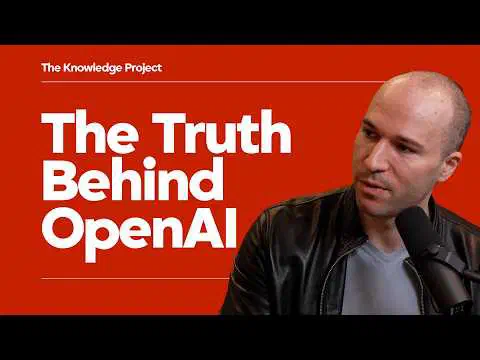
The November 2023 board crisis. When OpenAI’s board fired Sam Altman, Brockman was simultaneously removed as chairman and quit within hours, briefly accepting a role at Microsoft alongside Altman before both returned days later. Reporting from the period indicated the board had received complaints about Brockman’s management style, and that interim CEO Mira Murati had raised concerns about friction between him and Altman. Brockman has since discussed the episode publicly, including on The Knowledge Project, and characterizes it as a governance failure rather than a personnel one. He took a three-month sabbatical in late 2024, which he described as his first extended break in nine years.
Political donations. In 2025–2026 Brockman and his wife Anna became major political donors — reportedly $12.5 million each to a pro-Trump Super PAC, and $50 million to “Leading the Future,” a Super PAC pushing against state-level AI regulation. Critics note the tension with OpenAI’s stated corporate position on political spending and with the company’s own public calls for AI oversight.
Musk v. OpenAI. Elon Musk’s suit alleging OpenAI betrayed its nonprofit founding mission named Brockman personally. He testified in May 2026, where he was pressed on holding a roughly $30 billion stake in an entity founded on a “duty to humanity” while having contributed no capital. The jury found for Altman and Brockman later that month, largely on statute-of-limitations grounds — a procedural win rather than a ruling on the merits of the mission question.
Spotify Podcasts
YouTube