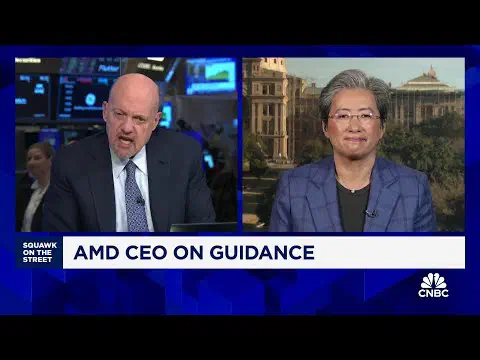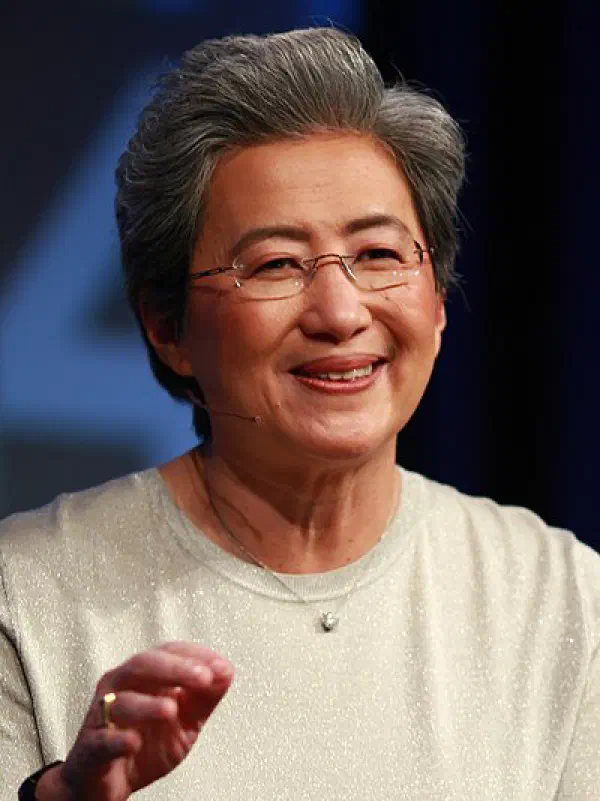
AMD Chair and CEO, leading AI accelerator innovation
Lisa Su
Profile
Lisa Su is the closest thing the AI hardware world has to a proof that the Nvidia monopoly is not a law of physics. As Chair and CEO of AMD since 2014, she took over a company that was months from irrelevance — bleeding cash, its stock near $2, written off by most of the industry — and turned it into the only credible second source for the GPUs that train and serve modern AI. For developers and infrastructure teams, that matters enormously: her roadmap decisions are the difference between a world with one accelerator vendor setting prices and terms, and a world with real competition.
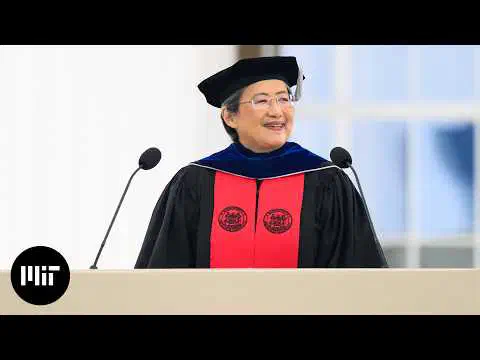
Su’s credentials are the engineer’s kind, not the operator’s. Born in Taiwan, raised in New York, she earned her bachelor’s, master’s, and PhD in electrical engineering from MIT, finishing her doctorate in 1994. At IBM she helped pioneer copper interconnects that replaced aluminum across the semiconductor industry — a genuinely foundational contribution — then did chip work at Freescale before joining AMD in 2012. She understands the transistors, the packaging, and the memory bottlenecks personally, which is why AMD’s technical story under her tends to hold up better than the marketing. The company’s stock has climbed roughly 40-fold since she became CEO, one of the great corporate turnarounds of the era.
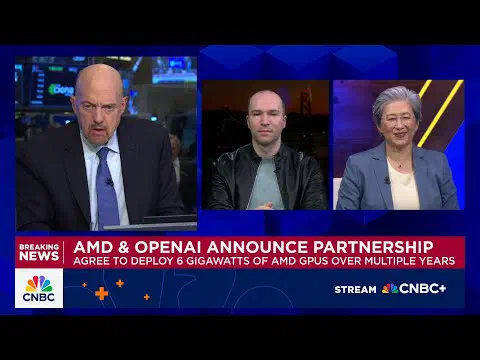
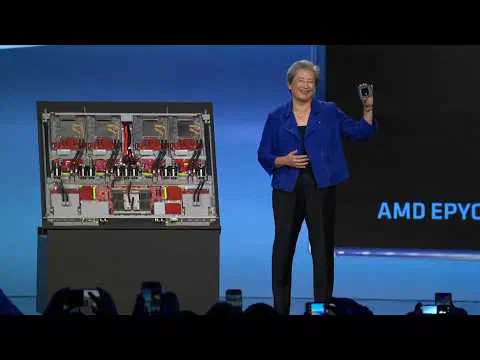
The current chapter is the AI accelerator war. AMD’s Instinct line — MI300X, then MI325X and the MI350 series, now the MI450 built into the “Helios” rack — is the hardware bet that AMD can take real share in AI training and, increasingly, inference. The MI450 packs HBM4 memory (memory bandwidth being the true chokepoint for large-model work) and, more importantly, arrives with customers already signed. In October 2025, OpenAI committed to deploying 6 gigawatts of AMD GPUs — with Sam Altman’s company taking warrants for up to ~160 million AMD shares — and Meta, run by Mark Zuckerberg, signed its own 6GW expansion. Microsoft, Oracle, and Anthropic (which AMD is investing up to $5 billion into) round out a customer list that finally makes AMD a hyperscaler-scale supplier, not a niche alternative.
What developers should take from Su is a temperament worth studying. Where Jensen Huang sells with leather-jacket showmanship, Su is understated, technical, and relentlessly execution-focused — she ships roadmaps on cadence and undersells rather than over-promises. The open question, and the reason her decisions deserve scrutiny rather than fandom, is whether AMD’s software stack (ROCm) and ecosystem can close the gap with CUDA’s decade-plus head start. Hardware parity is necessary but not sufficient; the moat is software. If AMD becomes a real default option for AI builders, Su’s bet on open ecosystems will be a large part of why.
Key Articles & Papers
AMD and OpenAI Announce Strategic Partnership to Deploy 6 Gigawatts of AMD GPUs AMD and Meta Announce Expanded Strategic Partnership to Deploy 6 Gigawatts of AMD GPUs AMD to invest up to $5 billion in Anthropic as part of computing power deal AMD CEO Lisa Su says AI critics are 'thinking too small' after massive OpenAI deal AMD's Lisa Su defends open-source AI following Hugging Face security breach AMD CEO Lisa Su calls China a 'large opportunity' and warns against strict U.S. chip controlsVideos
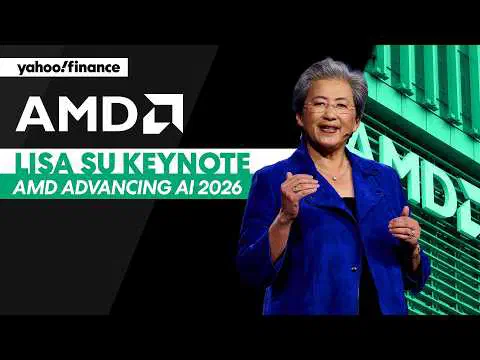
Controversies
Circular financing in the AI capex boom. The OpenAI deal — AMD granting warrants for up to ~160 million shares (roughly 10% of the company) to a customer that is, in turn, buying AMD’s chips — has been cited alongside the Nvidia–OpenAI arrangement as an example of “circular” AI financing, where the same capital appears to cycle between vendors and customers and inflates apparent demand. Su has dismissed the concern, telling critics they’re “thinking too small,” but it remains a legitimate risk if any link in the chain weakens. (Bloomberg overview)
China export controls and the MI308. AMD’s MI308, purpose-built to fit U.S. export thresholds, was caught in shifting rules — AMD absorbed roughly $800 million in charges and warned of a ~$1.5 billion revenue hit before shipments to China were later allowed to resume under new licensing terms. Su has publicly argued for “balance” between national-security controls and market access, a stance that draws criticism from China hawks who want tighter restrictions. (Tom’s Hardware)
Spotify Podcasts






YouTube