Director, Center for Law and the Economy at Columbia Law
Lina Khan
Profile
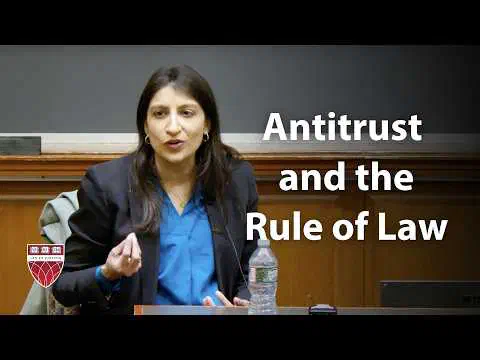
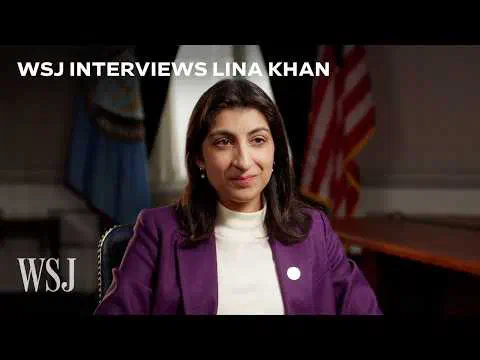
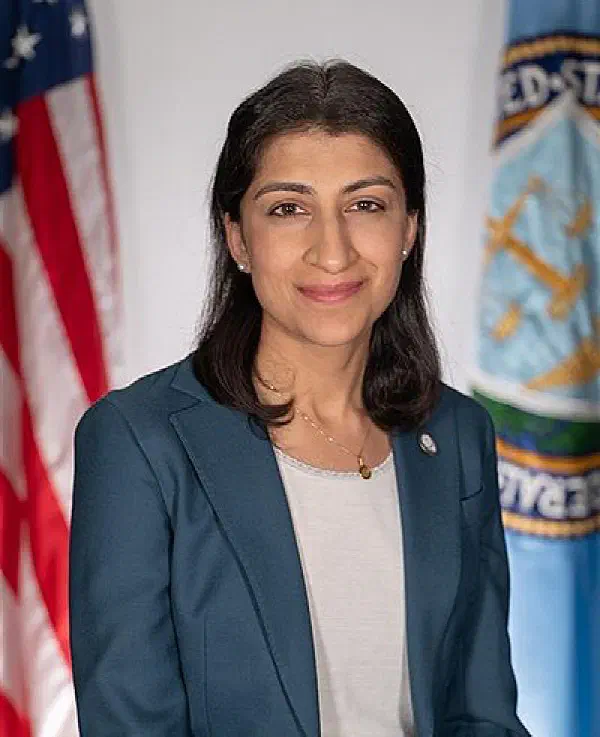
If you are building with AI today, the person most responsible for the fact that regulators now treat a “partnership” between a cloud giant and a frontier lab as a possible antitrust event is Lina Khan. As the 57th Chair of the Federal Trade Commission from 2021 to 2025 — the youngest person ever to hold the job — Khan turned a sleepy consumer-protection agency into the sharpest instrument of Big Tech skepticism in Washington. She came to the role already famous: her 2017 Yale Law Journal note, “Amazon’s Antitrust Paradox,” argued that decades of antitrust orthodoxy — which measured harm almost entirely by short-term consumer prices — was structurally incapable of seeing the power of a company like Amazon that loses money to capture markets. The paper became the founding text of what is now called the New Brandeis movement, and it rewired how a generation of lawyers thinks about platform power.
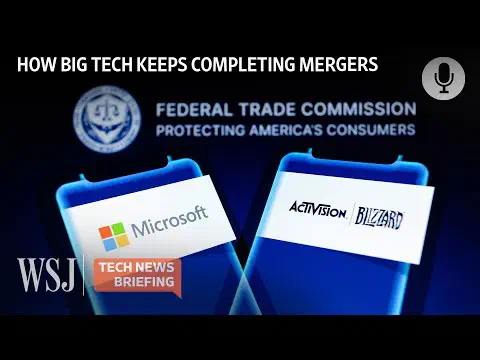
Khan’s core insight matters directly to AI. Her worry was never just “big companies are bad”; it was that whoever controls the essential inputs — the marketplace, the distribution, the compute — can quietly tilt every market that depends on them. At the FTC she applied exactly that lens to AI’s supply chain. In January 2024 she opened a sweeping inquiry into the investments and partnerships linking Microsoft and OpenAI, Amazon and Anthropic, and Google — probing whether billions in “investment” were really a way for incumbents to lock in the next platform shift before it happened. Her FTC also sued to block mergers, launched a broad antitrust investigation into Microsoft, and issued a nationwide ban on employee non-compete agreements (later struck down in court) that would have reshaped how the tech labor market — including AI researchers — moves between firms.
She was, predictably, polarizing. Her win rate in court was mixed, and critics on the right and among tech investors argued she stretched the agency’s authority and lost cases she should not have brought. Elon Musk, Mark Zuckerberg’s Meta, and Amazon all sought, unsuccessfully, to have her recused from cases involving them. Whether you see her as a necessary check on consolidation or an over-reaching regulator, her framework has already outlived her tenure: “kill-zone” mergers, self-preferencing, and platform gatekeeping are now standard vocabulary at competition authorities in the US and Europe.
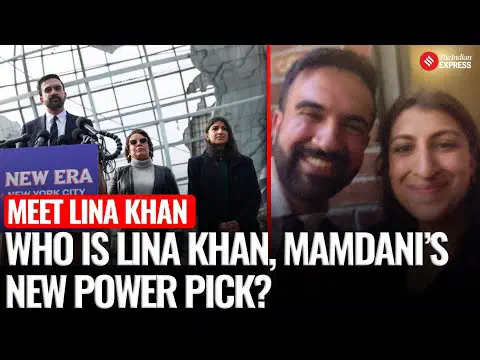
Since leaving the FTC in early 2025, Khan has moved to academia as an Associate Professor at Columbia Law School, where in 2026 she was named to lead its new Center for Law and the Economy alongside Lev Menand. She has also stayed in the political arena, co-chairing New York City Mayor Zohran Mamdani’s transition team. For developers, she is worth understanding not because she writes code, but because she is training the lawyers and shaping the doctrine that will decide which AI partnerships regulators wave through and which they treat as consolidation in disguise.
Key Articles & Papers
Amazon's Antitrust Paradox The Separation of Platforms and Commerce The New Brandeis Movement: America's Antimonopoly Debate We Must Regulate A.I. Here's How. FTC Launches Inquiry into Generative AI Investments and Partnerships FTC Issues Staff Report on AI Partnerships & Investments StudyVideos
Controversies
Khan’s tenure was defined by fights, and reasonable observers disagree on who was right.
- Recusal battles. Amazon and Meta each petitioned to have Khan recused from cases involving them, arguing her prior public criticism made her biased; she declined, saying she had prejudged no facts and held no financial conflict. The Meta/Within episode drew extra scrutiny after a leaked internal ethics-officer memo recommended recusal. (Fortune)
- Courtroom record. Critics point to high-profile enforcement setbacks and argue she brought aggressive cases on shaky legal footing; supporters counter that shifting the norms of what antitrust even attempts was the point. (CNN Business)
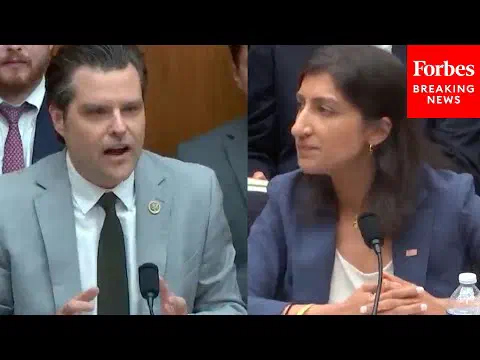
- Political heat. House Republicans grilled her over management and ethics, and figures like Elon Musk accused the agency of “harassing” Twitter/X after his takeover. (PBS News)
Spotify Podcasts





YouTube