MIT researcher, host of the Lex Fridman Podcast
Lex Fridman
Profile
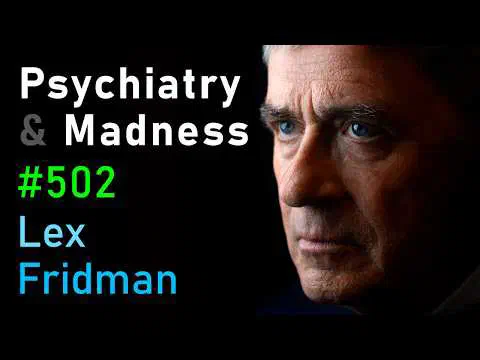
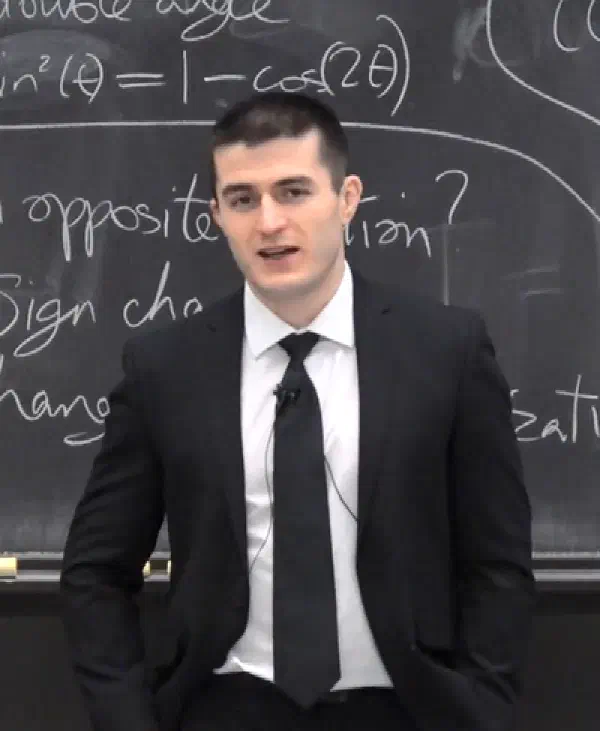
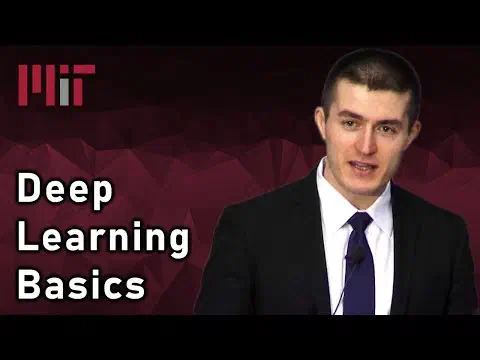
Lex Fridman occupies a strange and interesting place in the AI world: he is far better known as an interviewer of researchers than as a researcher himself. Officially, he is a research scientist at MIT’s Laboratory for Information and Decision Systems (LIDS), working on human-AI interaction, driver behavior, and shared autonomy. He earned his PhD in electrical and computer engineering at Drexel in 2014, did a stint at Google on behavior-based authentication, and joined MIT’s AgeLab before moving to LIDS. But if you know his name, it’s almost certainly because of the Lex Fridman Podcast — the marathon, three-hour conversations that have become something like the oral history of the modern AI era.
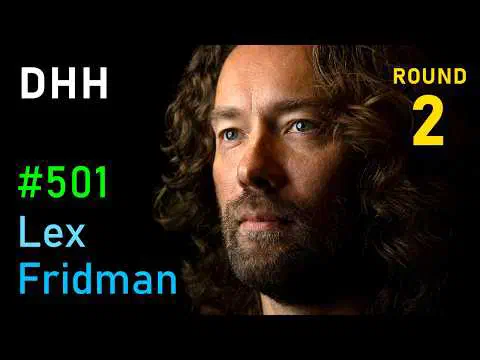
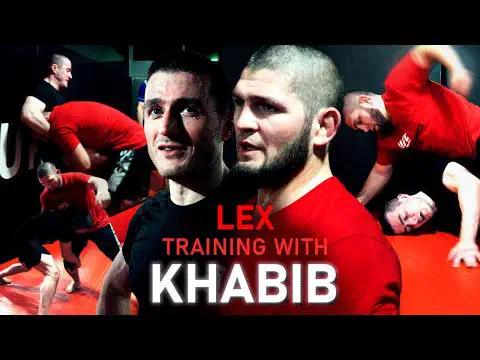
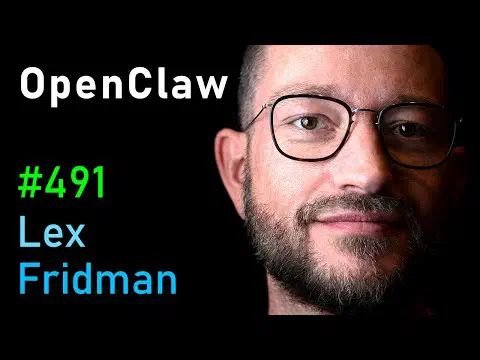
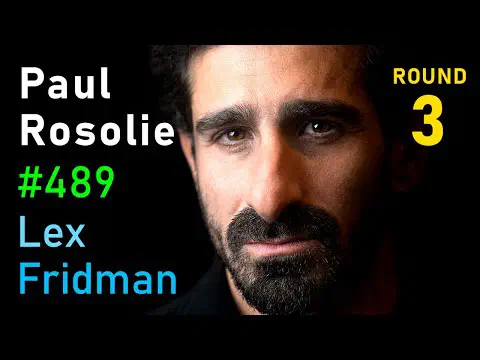
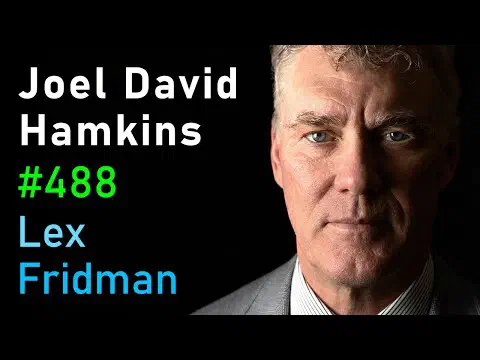
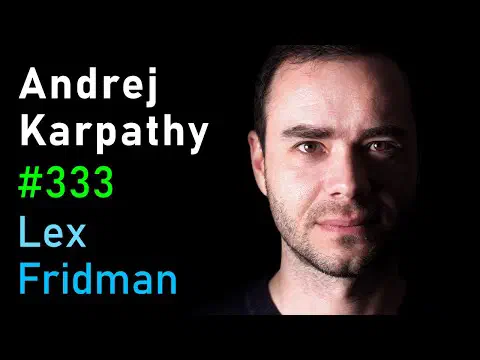
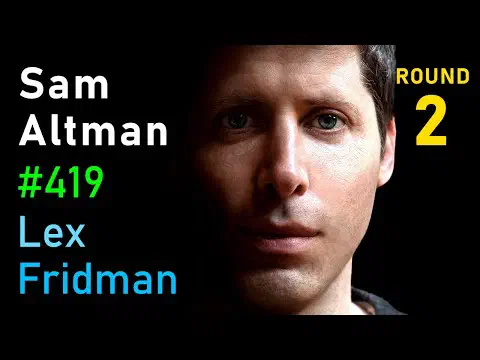
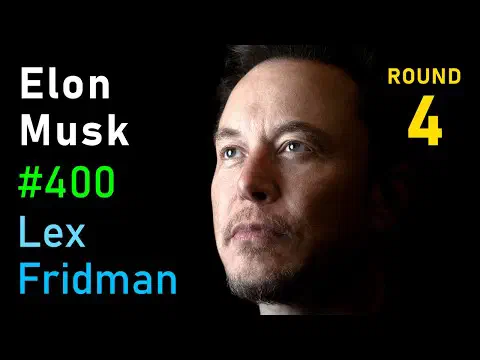
For a developer trying to understand where AI is actually going, Fridman’s real value is access. He has sat down for long, unhurried conversations with nearly everyone who matters: Elon Musk (many times over), Sam Altman on the OpenAI board saga and the road to AGI, Andrej Karpathy on Tesla’s self-driving stack, and researchers like Yann LeCun and Yoshua Bengio on the foundations of deep learning. The format — no hard time limit, minimal editing, questions that let a guest actually finish a thought — surfaces the kind of candid, meandering technical and philosophical detail you will never get from a press release or a keynote.
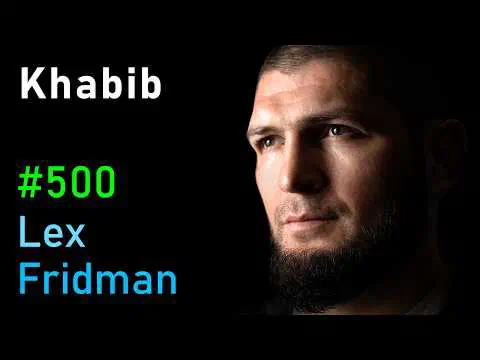
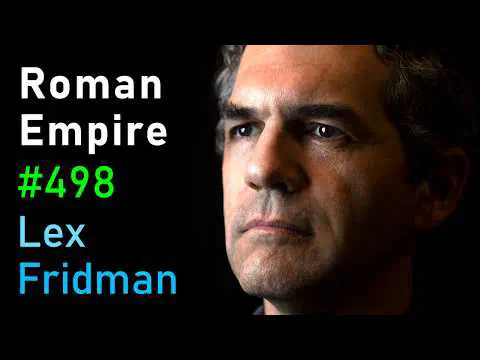
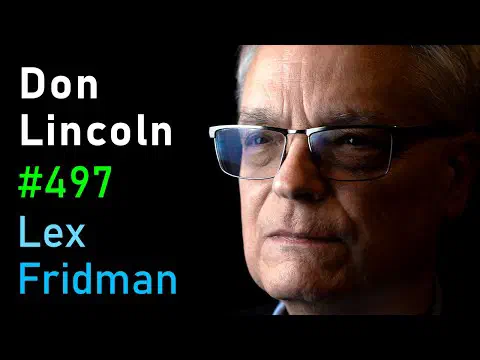
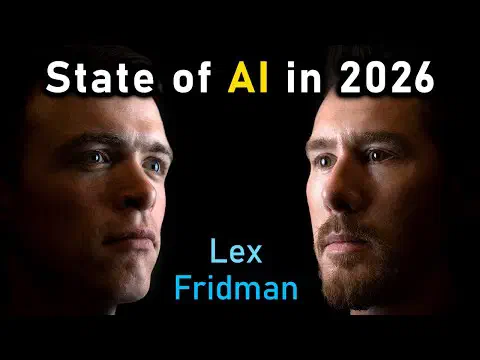
The podcast has grown enormous: by 2026 the YouTube channel passed roughly 4.9 million subscribers and hundreds of millions of views, and its reach now extends well beyond AI into physics, politics, sports, and history. That broadening is both the strength and the criticism of the show. Recent AI-focused episodes — like his 2026 “State of AI” roundtable with Sebastian Raschka and Nathan Lambert — are genuinely useful primers on scaling laws, agents, and open models, precisely the kind of grounded, practitioner-level conversation a developer wants.
Where Fridman matters less is as an original technical contributor. His MIT research output — driver-attention studies, the DeepTraffic reinforcement-learning competition — is real but modest, and his public persona leans heavily on the “MIT researcher” framing. Treat him as what he genuinely is: an unusually patient, well-connected interviewer who gets the field’s most important people to think out loud. For learning how the people building AI actually reason, that is a resource with few equals.
Key Articles & Papers
MIT Advanced Vehicle Technology Study: Naturalistic Driving Study of Driver Behavior and Interaction with Automation DeepTraffic: Crowdsourced Hyperparameter Tuning of Deep Reinforcement Learning Systems for Multi-Agent Dense Traffic Navigation MIT Deep Learning and Artificial Intelligence LecturesVideos
Controversies
- The “MIT researcher” framing. Critics argue Fridman leans on his MIT affiliation more than his research output warrants, and that his role at LIDS is more modest than his public presentation suggests. Fair-minded observers note the affiliation is genuine — it’s the emphasis, not the fact, that draws skepticism.
- The 2019 Tesla Autopilot study. His driver-attention research on Tesla vehicles drew methodological criticism from other autonomous-driving researchers, and some questioned how closely it should be branded as “MIT” work. See the Wikipedia overview for a summary of the debate.
- Softball interviews and platforming. As the show expanded beyond AI into politics and geopolitics, Fridman faced recurring criticism that his conversational, non-confrontational style lets contentious guests go unchallenged. Supporters counter that the low-friction format is exactly why guests speak so candidly in the first place.
Spotify Podcasts

YouTube