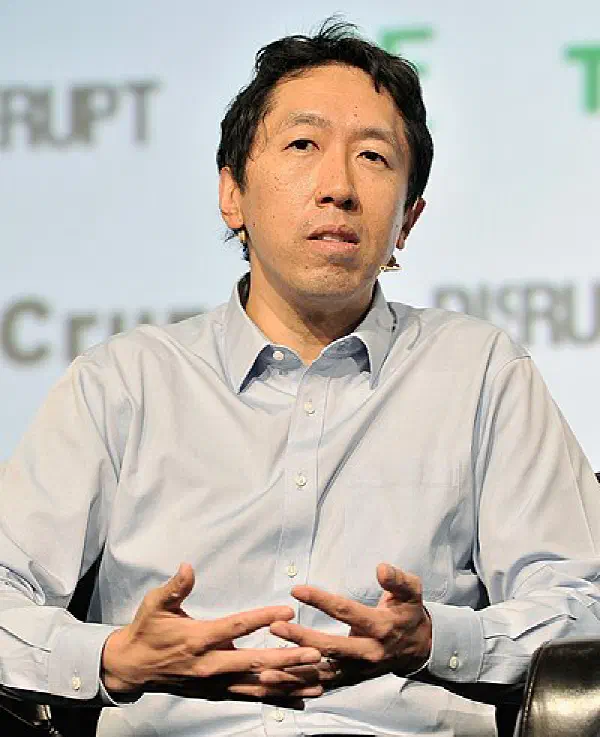
Founder of DeepLearning.AI and AI Fund managing partner
Andrew Ng
Biographies
Profile
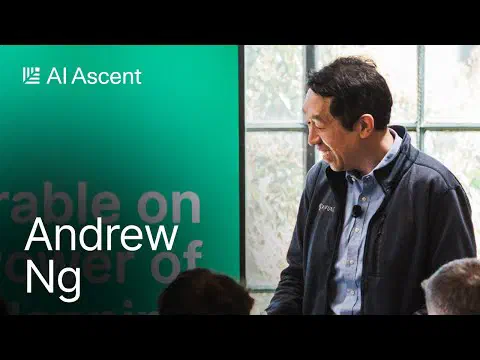
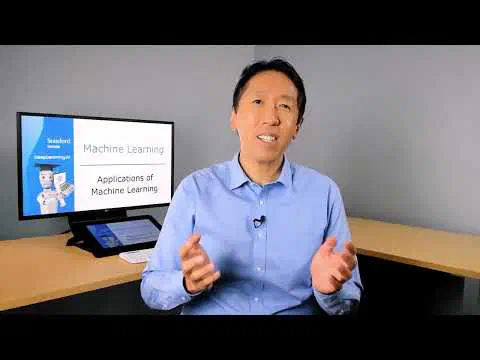
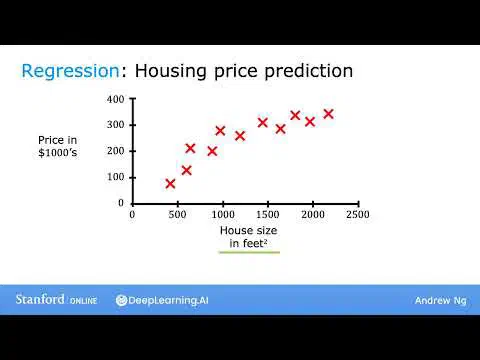
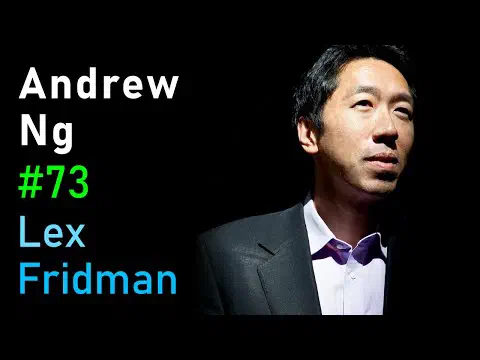
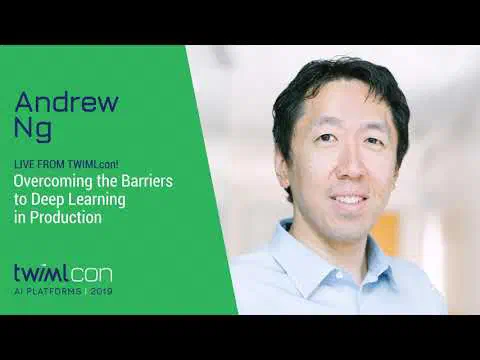
Andrew Ng is, by any reasonable measure, the person who taught the world machine learning. His 2011 Stanford course became one of the first massive open online courses, drew over 100,000 students in a single run, and convinced him that education could scale like software. That conviction produced Coursera — which he co-founded in 2012 with Daphne Koller — and later DeepLearning.AI, whose Deep Learning and Machine Learning Specializations have trained millions. If you learned neural networks from a video and a Jupyter notebook, there is a good chance the trail leads back to Ng. For developers, this is the single most important thing about him: he made the field learnable by ordinary engineers rather than PhDs.
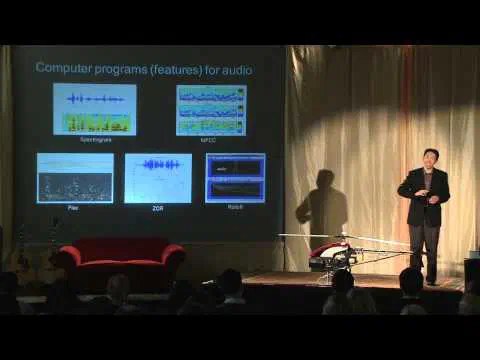
Before he was an educator at global scale, Ng was a serious researcher. British-born (1976) and trained at Carnegie Mellon, MIT, and UC Berkeley, he ran the AI Lab at Stanford, where his group’s autonomous-helicopter work became a landmark in reinforcement learning. In 2011 he founded and led Google Brain, the deep-learning team whose famous “cat neuron” experiment — a network that learned to recognize cats from unlabeled YouTube frames, co-authored with Jeff Dean — helped kick off the modern era of large-scale deep learning at industry. He then spent 2014–2017 as Chief Scientist at Baidu, building out a roughly 1,300-person AI organization and championing speech and deep learning in China.
Today Ng operates mostly as a builder and investor. He is managing general partner of AI Fund, a venture studio that co-founds AI startups from scratch — it closed an oversubscribed $190M Fund II in May 2025, on top of an earlier $175M fund. He is executive chairman of LandingAI, chairman of Coursera, an adjunct professor at Stanford, and since April 2024 a board member at Amazon. Through DeepLearning.AI’s newsletter, The Batch, and its “Letters from Andrew Ng” column, he remains one of the most-read voices explaining what is actually happening in AI versus what marketers claim.
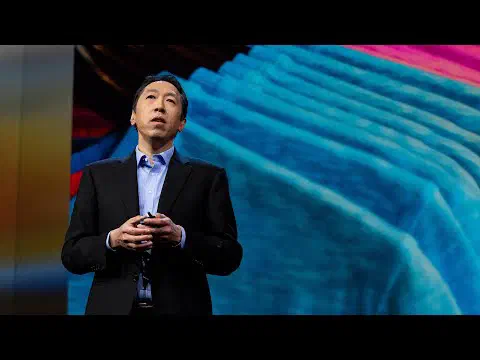
What makes Ng worth paying attention to now is his relentlessly practical, anti-hype posture. He talks about AI as “the new electricity” — a general-purpose technology whose value comes from being applied to specific problems, not from any single model. His advice to engineers is unglamorous and correct: build projects, iterate on data and feedback loops, ship applications. He is a loud advocate for open-source AI and has publicly argued that fears of AI causing human extinction are overblown and, in some cases, cynically used by incumbents to justify regulation that would kneecap smaller players. You do not have to agree with him, but he is one of the clearest, most grounded signals in a noisy field.
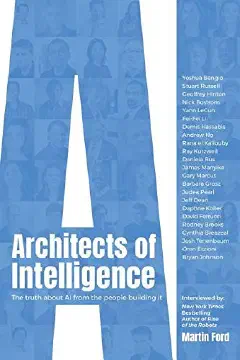
Books
Key Articles & Papers
Building High-level Features Using Large Scale Unsupervised Learning Autonomous Helicopter Flight via Reinforcement Learning Letters from Andrew Ng (The Batch)Videos
Controversies
Ng is a prominent skeptic of AI existential-risk narratives. In 2023 he argued that fears of AI causing human extinction are “vastly exaggerated,” and went further to accuse some large tech companies of using extinction fears as part of a “regulatory capture” campaign to lobby for rules that would suppress open-source competition. He specifically named OpenAI and his former Stanford student Sam Altman over the widely signed statement calling AI extinction risk a global priority. Critics counter that dismissing catastrophic risk is itself a convenient position for someone heavily invested in AI startups, and researchers such as Geoffrey Hinton and Yoshua Bengio take the opposite view. Ng’s consistent stance is that regulation should target AI applications, not general-purpose technology or open models — a debate that is far from settled.
Spotify Podcasts


YouTube